ISLAMABAD: The federal government is planning to increase the petroleum levy to as high as Rs85 per litre to generate additional resources for settling Rs1.7 trillion worth of gas sector circular debt, government sources said.
The proposal, discussed this week at the level of Finance Minister Muhammad Aurangzeb, includes imposing an additional Rs5 per litre levy on petrol and high-speed diesel, raising around Rs540 billion between 2027 and 2032. The plan also envisages utilising dividends from state-owned oil and gas companies and savings from the diversion of imported LNG cargoes.
Subject to approval by the federal cabinet and the International Monetary Fund (IMF), the government aims to retire the principal amount of the gas sector circular debt over six years. Current petroleum levy rates stand at Rs75 per litre on diesel and Rs79.62 on petrol, which would increase to Rs80 and Rs85 per litre, respectively.
Minister for Petroleum Ali Pervaiz Malik said the gas sector lacks guaranteed revenue streams similar to the power sector, where a surcharge of Rs3.23 per unit is levied to service circular debt. In the absence of such mechanisms, the government is considering dividends and other measures to address the gas sector liabilities.
The total gas sector circular debt is estimated at Rs3.3 trillion as of end-June, including Rs1.5 trillion in late payment surcharges. Of the proposed Rs1.7 trillion settlement plan, around Rs680 billion is expected from dividends of oil and gas exploration companies. Major contributions are anticipated from Oil & Gas Development Company Limited (over Rs250 billion), Pakistan Petroleum Limited (around Rs230 billion), and Government Holdings Private Limited (nearly Rs200 billion).
Additionally, the government plans to use Rs415 billion in savings from diverted LNG cargoes and about Rs75 billion from recoveries. The Petroleum Division has proposed using LNG-related savings to retire debt rather than reduce gas prices. However, the debt retirement plan will depend on creditors agreeing to waive late payment surcharges, similar to arrangements previously applied in the power sector.
Officials said a key driver of the debt accumulation has been below-cost gas pricing, accounting for nearly Rs1.5 trillion. Other contributing factors include the diversion of expensive imported gas to households and the use of gas sector funds for revenue inflation by the Federal Board of Revenue.
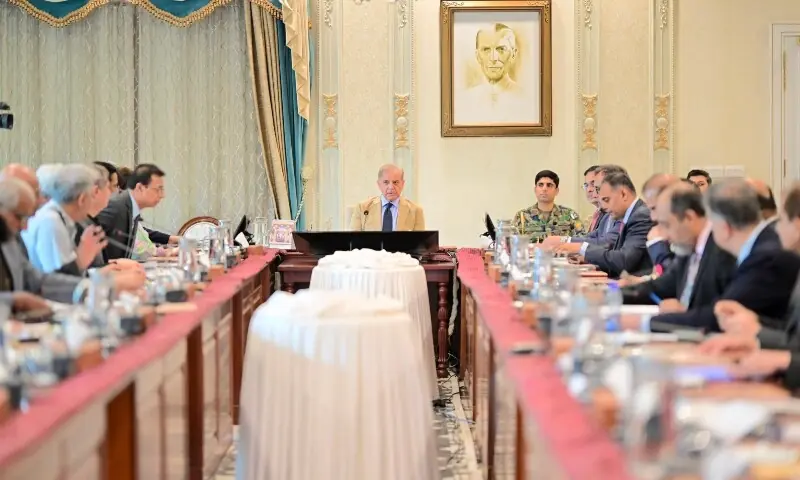
A finance ministry spokesperson said the gas sector circular debt management plan is part of the government’s broader reform agenda. Inter-ministerial consultations are ongoing, and final proposals will be submitted to the cabinet for approval.
In its staff-level report, the IMF underscored the need to reduce gas sector circular debt through stock retirement and timely semi-annual tariff adjustments. While noting that cost-aligned tariffs helped reduce principal debt by Rs86 billion last year, the IMF highlighted a rise in late payment surcharges, pushing overall debt to about Rs3.2 trillion by June.
The government has assured the IMF that new gas tariffs will be notified by mid-February, with a structure aimed at preserving tariff progressivity, protecting vulnerable consumers, and fully reflecting the cost of imported RLNG diverted to the domestic sector.
Story by Shahbaz Rana